Heritage
Adrianople: The Weaving Heritage of Edirne
5 August 2026
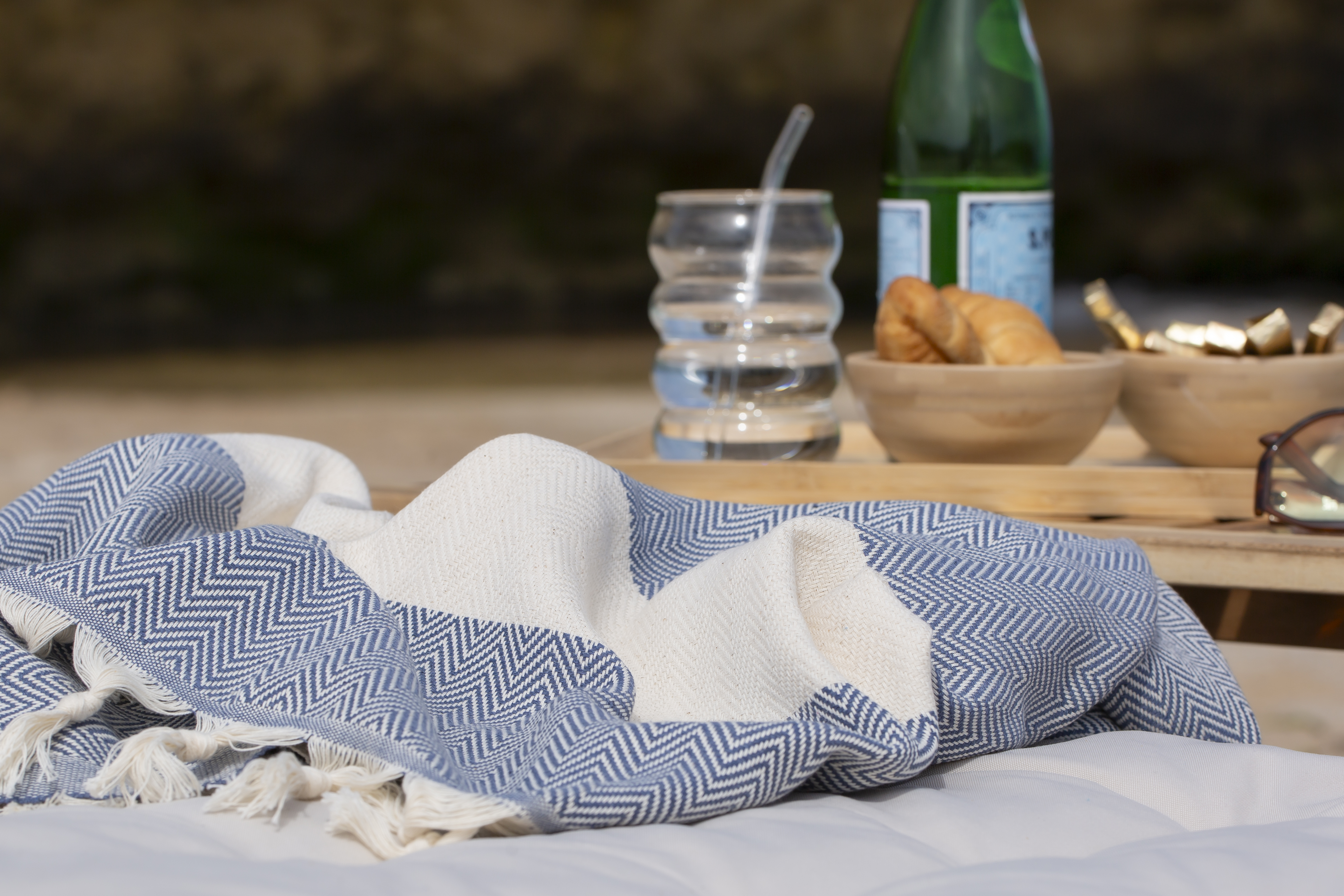
Beneath the name on every Lucidus towel stands a second word: Adrianople. It is the historic name of Edirne — the city in the far west of Turkey where our towels are woven. To understand why a peshtemal is the way it is, you have to know this city.
A city that lives by water
Edirne lies at the confluence of the Meriç and Tundzha rivers, on the threshold between Europe and Anatolia. Water has always shaped the city — the rivers, the baths, the hammams. Its most famous building, the Selimiye Mosque, is counted a masterpiece of Ottoman architecture; the hammam culture in which the peshtemal is at home belongs to the same era. A cloth that lies on hot marble, works in steam and water and must dry quickly: that is what the flat-woven cotton towel was refined for, generation after generation.
From craft to conviction
Weaving has been a family craft in the region around Edirne since Ottoman times. The patterns we weave today — Herringbone and Diamond — are not marketing inventions but classic bindings that have proven themselves: dense enough to absorb, open enough to dry, handsome enough to display. From that tradition comes our own standard: 100% Turkish cotton, carefully woven selvedges, hand-knotted fringes.
Why we carry the old name
“Adrianople” on the label is a bow — to the city, its weavers and a textile history older than any brand. Lucidus means “clear, luminous”; Adrianople says where that light comes from. Every towel that leaves our workshop carries both names — and with them a promise about origin and craft.
The tradition in daily life
You don’t need to visit a hammam to feel it: the same cloth that lay on marble in the 16th century lies today on the beach, in the sauna and in the bathroom. What exactly makes a peshtemal is in the Turkish towel guide — and all 21 colours Edirne weaves today are in the Colour World.